

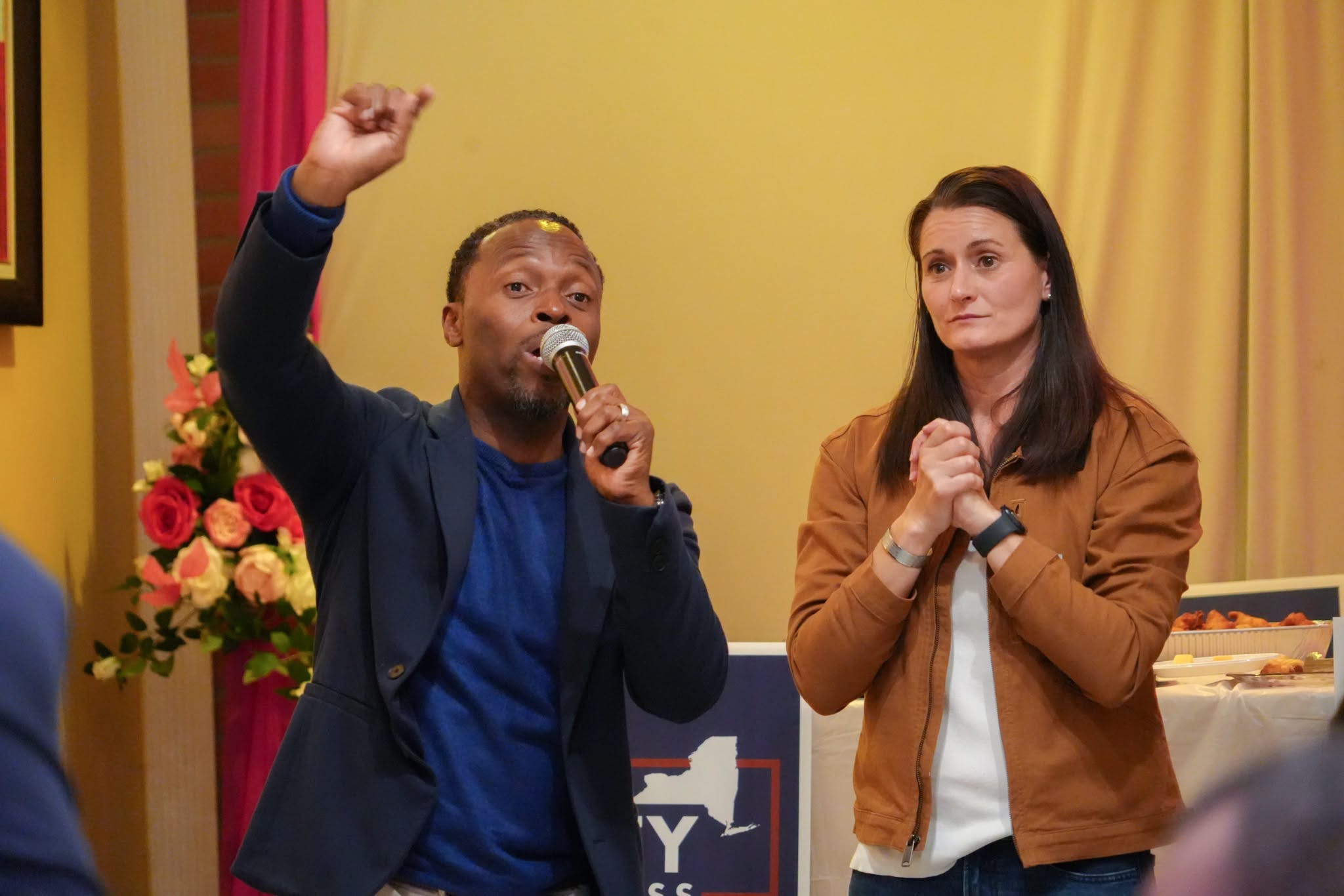
JUDGE ST — Undecided Muslim voters in New York’s 17th congressional district, who remain concerned about Cait Conley’s support for American military aid to Israel, are weighing an argument in her favor from a prominent progressive organizer.
At a conference in Washington hosted by the Council on American-Islamic Relations in September, an attendee discerning whether to vote for Conley posed the question to a panel of politicos, including Linda Sarsour—the strategist who co-led the 2017 Women’s March during Donald Trump’s first term and has since become a popular surrogate for pro-Palestinian candidates.
“Both of these candidates are very pro-Israel. Both of the candidates don’t care about Muslims. But the conversation comes in where the Democratic candidate could make things slightly better in other ways,” Westchester resident Annie Akhtar-Gomez told Sarsour, referring to Conley and Republican Congressman Mike Lawler. “On the day of Judgement, we’re going to be asked what we did when we saw all this happening, and right now, it feels like a choice between sending money, like our tax dollars, to kill Palestinians or sending our tax dollars to kill Palestinians.”
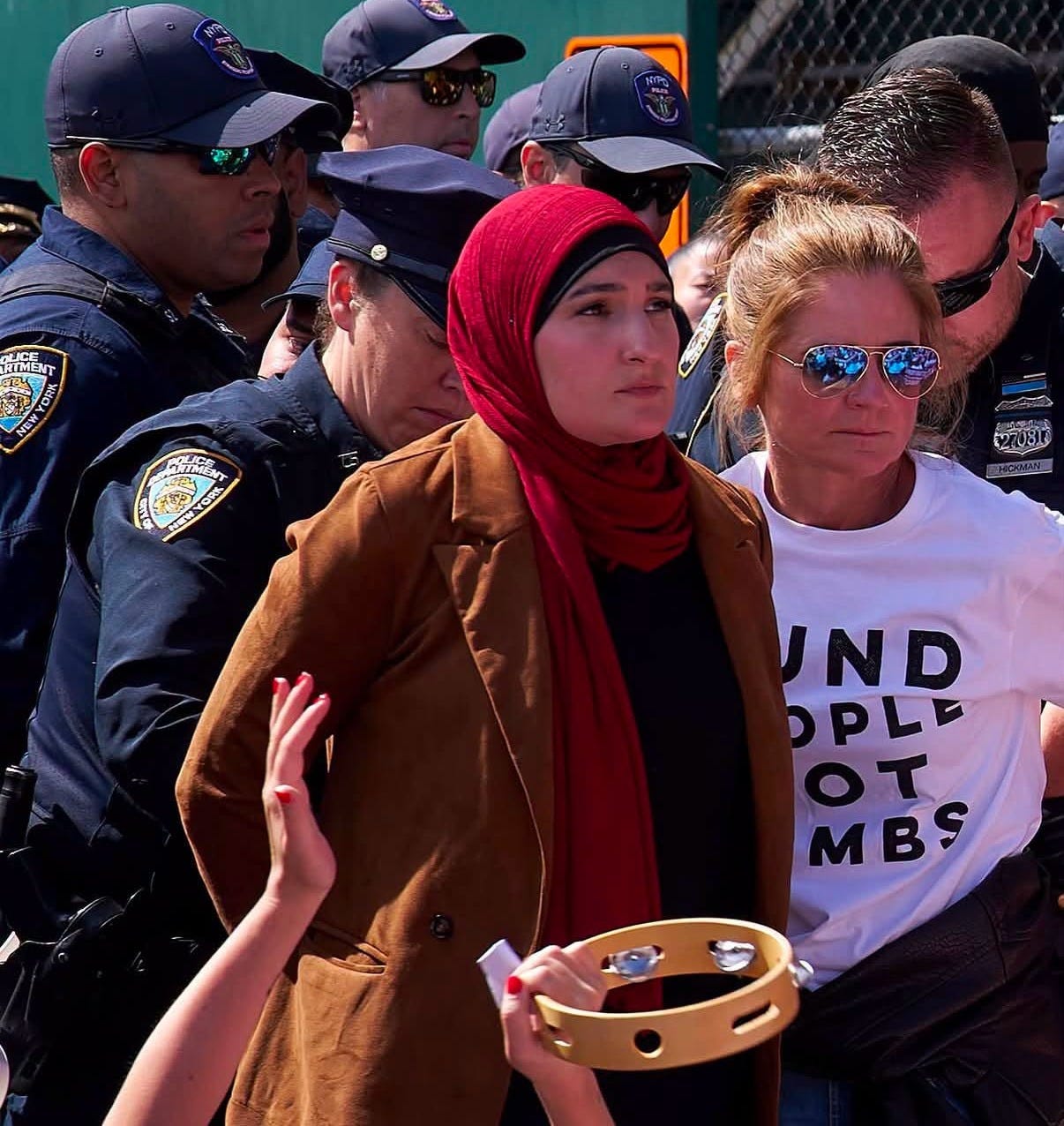
Sarsour, who was arrested last month with a group of peaceful protestors near the United Nations ahead of Prime Minister Benjamin Netanyahu’s address, seemed familiar with the dynamics between Conley and Lawler.
“Is Cait Conley a pro-Israel candidate? 100%,” Sarsour responded. “But you’re also not in the New York City downstate area, right? You’re not in Chicago. You’re not in Detroit. So it’s about: What is the Westchester Muslim community willing to do long-term? Do we get someone like a Conley in and say to her, ‘you’re lucky we let you slide this time, but it’s easy that this slides back if you don’t get yourself together’ and try to let her understand and come to her with the numbers—there are X-number of Muslim voters and anti-war voters in your district, right?”
Sarsour added that while activists work on a long-term plan to change America’s aid to Israel, there are also important issues on which a pro-Israel Democrat could deliver, like climate change, voting rights, and immigration reform.
One month prior, Akhtar-Gomez was part of a group of Muslim voters in NY-17 who met privately with Conley and left the interaction feeling even less motivated to participate in the upcoming midterm. But she found Sarsour’s answer in Washington compelling that day, and she now plans to vote for Conley in November. With just two weeks left in the race, Akhtar-Gomez says other Muslim voters in the district are still deciding whether they can ethically justify voting for the Democratic nominee.
Amid a fierce debate about the future of the Democratic Party’s foreign policy as it relates to Israel, and a dramatic shift of New York Jewish voters toward the GOP, Conley is trying to make it across the finish line with support from two opposing factions: those who love Israel and those who believe it orchestrated a genocide in Gaza.
At the national level, just 17% of Democrats sympathize with Israelis in the conflict, according to a Gallup poll from February. But NY-17 is home to one of the largest populations of Jewish voters in the country, and local Democratic leaders firmly support Israel. In June, amid an open primary with five candidates, more than 80% of Democratic voters in NY-17 opted for those who did not accuse Israel of committing a genocide in Gaza.
As a recent CNN segment noted: In 2022, Democrats led on a generic ballot with Jewish voters in New York House races by 49 points; in 2026, Democrats now lead by just 13 points; that’s a 36-point swing in just four years. Over that same period, Governor Kathy Hochul’s support among Jewish voters fell 38 points. The Democratic Party is drifting away from Israel at the national level, and Jewish voters in New York are drifting away from the Democratic Party.